
Into the High-Altitude Quiet

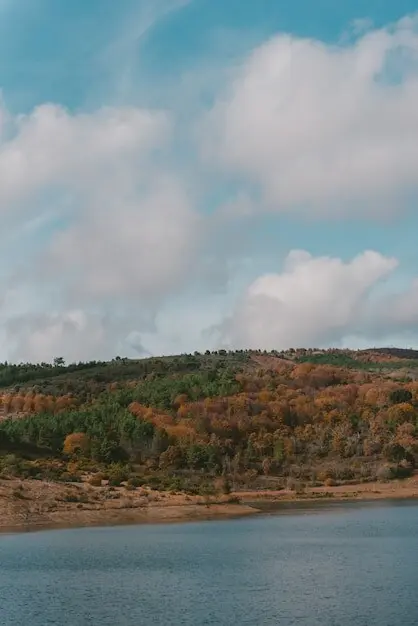
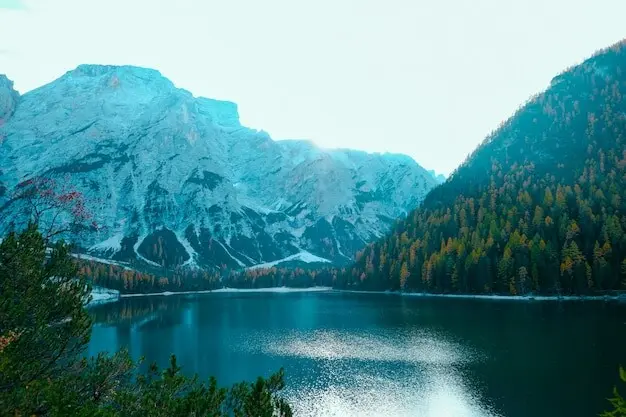
Today we explore Listening to Alpine Silence: Soundscape Practices in High-Altitude Valleys, inviting you to tune into wind-etched ridgelines, snow-muted meadows, and the delicate calls that travel far in thin air. Expect practical methods, heartfelt stories, and science-backed insight, guiding careful, ethical listening that reveals hidden melodies and strengthens your connection with mountains and those who steward them.

Why Thin Air Sounds Different

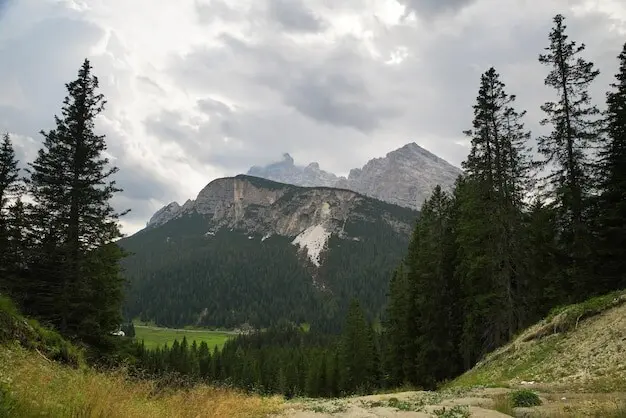
High-altitude valleys reshape every breath of sound. Thin air, temperature gradients, and snowpack absorb and refract frequencies in surprising ways, carrying a marmot’s whistle across a kilometer while softening a bootstep almost completely. Understanding these acoustic contours helps you anticipate echoes, locate delicate signals, and align your listening posture with conditions that turn weather, slope, and surface into collaborators rather than obstacles.

Field Recording on the Ridge

Capturing fragile alpine textures demands thoughtful gear choices and mountain sense. Low-noise microphones, generous wind protection, and reliable preamps meet extra batteries warmed in inner pockets. You balance weight against redundancy, protect files in rugged cases, and plan escape routes around changing skies. Recording becomes deliberate: fewer moves, calmer breath, and a respectful presence that lets the land speak first.

Microphones That Thrive Above the Tree Line

Choose capsules with low self-noise to reveal distant life, pair small-diaphragm cardioids for focus, or spaced omnis for space and bloom. Modular rigs help when gusts swell. Consider resilient shock mounts, discreet stands, and silent cables that do not telegraph frost creaks. Test everything at dawn at home, because at altitude, troubleshooting steals warmth, light, and irreplaceable minutes.

Taming Relentless Wind Without Killing Detail

Layer wind protection thoughtfully: foam, furry cover, suspension, and screens shaped by the terrain. Seek natural baffles behind boulders or snowbanks, orient capsules slightly off-axis from gusts, and record multiple takes with varied angles. If wind still bites, capture texture intentionally, embracing its character while reserving separate, sheltered tracks for delicate elements you will weave together later.

Packing Light, Listening Deep

Every gram counts above the tree line. Prioritize one excellent stereo rig, a compact mid-side option, and dependable power. Replace five gadgets with one practiced technique. Keep gloves dexterous, labels bright, and operations simple enough for cold, gloved fingers. Light kits let you settle, breathe, and notice, transforming fewer tools into more attentive choices and surprisingly richer sonic results.

Practices for Deep, Respectful Listening

Deliberate presence unlocks alpine nuance. Drawing inspiration from contemplative traditions and acoustic ecology, you slow your steps, lengthen exhalations, and soften attention until tiny cues appear. Listening becomes conversation, not collection. You accept what the valley offers, decline intrusive moves, and learn when to leave. This ethic protects fragile habitats and builds recordings that honor more than impress.

Breath, Posture, and the Slow Turn of the Head

Stand with knees soft, shoulders at ease, and jaw unclenched. Inhale quietly through the nose, exhale longer to settle the nervous system. Rotate your head fractionally, scanning for phase differences that reveal location and depth. This gentle choreography reduces handling noise, increases awareness of danger and beauty, and cultivates trust in subtle impressions that microphones will later confirm.
The One-Hour Dawn Sit

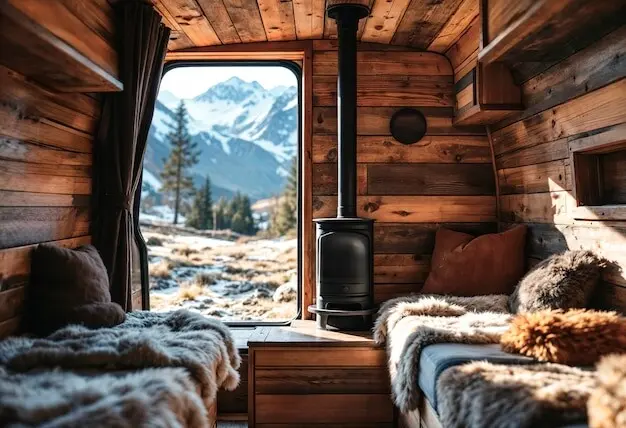
Arrive before first light, choose a safe perch, and remain still for sixty unhurried minutes. Early chill sharpens edges; birds and mammals stir. Write time marks without judgment: distant avalanche control, a single alpine chough, the first drip after frost. Patterns emerge that guide the rest of your day, conserving effort and capturing sequences you could never force.
Journaling Sonic Memory Trails

After each session, sketch the slope lines and annotate sound paths with verbs and textures: sift, lace, glint, murmur. Record wind directions, cloud height, and your emotions. Memory anchors help later editing respect original perspective. These notes seed essays, liner credits, and land acknowledgments, keeping human story braided gently with the mountain’s, never claiming authorship that rightly belongs elsewhere.
Human Traces in High Valleys

High places carry histories in metal, wood, and breath. Cowbells measure distance, ski lifts hum a steady drone, helicopter rotors announce help or hazard, and evening bells drift across ice. Listening here includes people: herders guiding seasons, climbers exchanging warnings, families celebrating harvest. Your work honors livelihoods, seeks consent when close, and frames human presence as relationship, not intrusion.

Cowbells, Consent, and Rhythm

Bells differ by herd, maker, and valley, offering polyrhythms shaped by grazing routes. Approach shepherds respectfully; explain your intentions and offer copies. Note grazing times when bells quiet to protect wildlife. Record at varying distances to reveal pulse, air, and clatter. Treat names, faces, and locations carefully, ensuring dignity for people whose music is daily labor, not performance.

Helicopters and Rescue Routes

Rotor thrum reflects off cirque walls like a moving chorus, often signaling rescue or supply. Track flight paths with maps to predict echoes and keep clear of operations. When documenting, prioritize safety, privacy, and context over spectacle. Short, informative snippets that acknowledge their life-saving role tell a richer story than dramatic close-ups that risk distraction, misinterpretation, or harm.

Bells, Horns, and Distant Songs

Evening bells, alpine horns, and festival songs thread villages to slopes. Capture from respectful perimeters, letting air carry bloom. Include ambient cues—footsteps on frost, benches creaking, shy laughter—so listeners feel place, not just pitch. Note dates, meanings, and permissions. Context transforms isolated notes into culture, inviting audiences to hear continuity rather than treating sound as exotic artifact.

Wildlife, Seasons, and Fragility

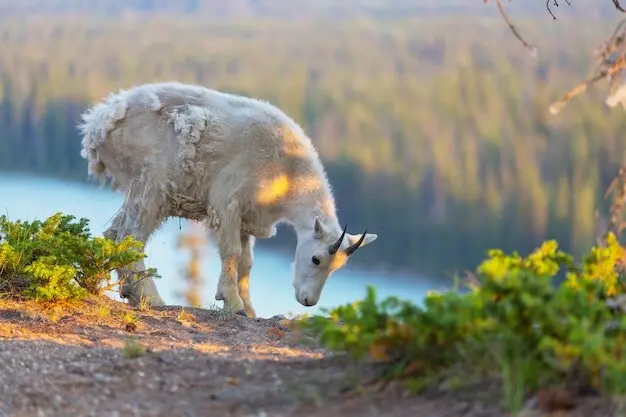
Alpine soundscapes pivot across seasons. Spring loosens water and voices; summer hums; autumn thins; winter compresses to crystalline quiet. Marmots whistle warnings, choughs stitch the sky, ptarmigan murmur softly. Climate shifts move calendars and corridors. Ethical listening means distance, restraint, and sometimes turning away. Your microphone should never cost an animal calories, safety, or a successful brood.

Spring Thaw Choruses and Risk Windows

Melting snow reveals rills that braid into exuberant torrents, while breeding seasons intensify calls and sensitivity. Stand back, use longer lenses acoustically, and avoid lingering near dens. Track temperatures and snowpack; plan routes that minimize crossings. If behavior changes because of you, retreat. Better to miss a take than record a disturbance that echoes harm into another fragile year.

Nocturnes of Owls, Foxes, and Ice

Night shifts timbre and risk. Headlamps narrow your world while sound expands it. Little owls trade notes with stream hiss, fox steps tap frost, and settling ice pings like distant glass. Mark exits, carry insulation, and limit light so activity continues naturally. Night recordings reward patience and preparation, joining awe with responsibility under a sky loud with stars.

Respecting Nests, Dens, and Invisible Boundaries

Some borders exist only in behavior: a marmot’s repeated alarm, a falcon’s stoop, a sudden hush. Read these cues and step back. Use parabolas or parabolic-like focus sparingly and at distance. Log coordinates privately to prevent crowds. Share methods, not maps, inviting listeners to value protection over replication, proving restraint can produce deeper, more trustworthy art and science.

Spectrograms, Not Just Pretty Pictures

Spectrograms reveal structure: harmonic ladders of chough calls, granular hiss of spindrift, stepped rumbles from controlled avalanches. Use them to verify impressions and annotate edits honestly. Pair visuals with precise timecodes, weather notes, and mic details. Transparency builds trust, helping audiences and researchers hear beyond aesthetics into relationships among physics, biology, and human practices woven through place.

Story-Driven Soundwalks and Maps

Curate routes where each stop deepens understanding: a moraine wind break, a larch grove, a chapel ledge above a torrent. Embed short context notes, safety reminders, and seasonal cautions. Invite listeners to pause longer than comfortable. Thoughtful pacing reduces foot traffic, honors residents, and turns consumption into care, making every shared step part of stewardship rather than simple spectacle.
Davodarixarisentovaro
Privacy Overview

This website uses cookies so that we can provide you with the best user experience possible. Cookie information is stored in your browser and performs functions such as recognising you when you return to our website and helping our team to understand which sections of the website you find most interesting and useful.