Choose capsules with low self-noise to reveal distant life, pair small-diaphragm cardioids for focus, or spaced omnis for space and bloom. Modular rigs help when gusts swell. Consider resilient shock mounts, discreet stands, and silent cables that do not telegraph frost creaks. Test everything at dawn at home, because at altitude, troubleshooting steals warmth, light, and irreplaceable minutes.
Layer wind protection thoughtfully: foam, furry cover, suspension, and screens shaped by the terrain. Seek natural baffles behind boulders or snowbanks, orient capsules slightly off-axis from gusts, and record multiple takes with varied angles. If wind still bites, capture texture intentionally, embracing its character while reserving separate, sheltered tracks for delicate elements you will weave together later.
Every gram counts above the tree line. Prioritize one excellent stereo rig, a compact mid-side option, and dependable power. Replace five gadgets with one practiced technique. Keep gloves dexterous, labels bright, and operations simple enough for cold, gloved fingers. Light kits let you settle, breathe, and notice, transforming fewer tools into more attentive choices and surprisingly richer sonic results.

Stand with knees soft, shoulders at ease, and jaw unclenched. Inhale quietly through the nose, exhale longer to settle the nervous system. Rotate your head fractionally, scanning for phase differences that reveal location and depth. This gentle choreography reduces handling noise, increases awareness of danger and beauty, and cultivates trust in subtle impressions that microphones will later confirm.
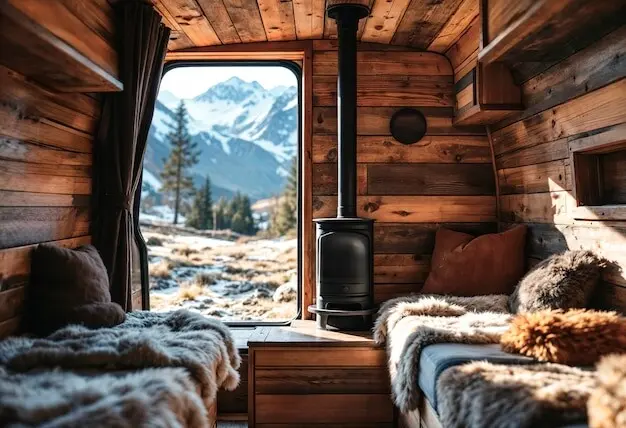
Arrive before first light, choose a safe perch, and remain still for sixty unhurried minutes. Early chill sharpens edges; birds and mammals stir. Write time marks without judgment: distant avalanche control, a single alpine chough, the first drip after frost. Patterns emerge that guide the rest of your day, conserving effort and capturing sequences you could never force.
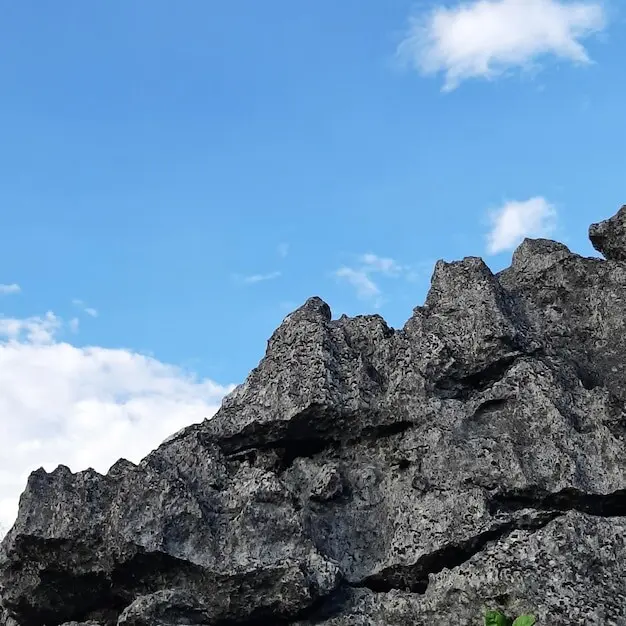
After each session, sketch the slope lines and annotate sound paths with verbs and textures: sift, lace, glint, murmur. Record wind directions, cloud height, and your emotions. Memory anchors help later editing respect original perspective. These notes seed essays, liner credits, and land acknowledgments, keeping human story braided gently with the mountain’s, never claiming authorship that rightly belongs elsewhere.
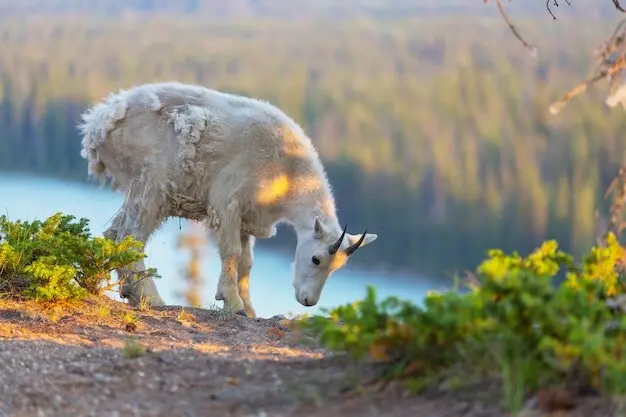
Melting snow reveals rills that braid into exuberant torrents, while breeding seasons intensify calls and sensitivity. Stand back, use longer lenses acoustically, and avoid lingering near dens. Track temperatures and snowpack; plan routes that minimize crossings. If behavior changes because of you, retreat. Better to miss a take than record a disturbance that echoes harm into another fragile year.
Night shifts timbre and risk. Headlamps narrow your world while sound expands it. Little owls trade notes with stream hiss, fox steps tap frost, and settling ice pings like distant glass. Mark exits, carry insulation, and limit light so activity continues naturally. Night recordings reward patience and preparation, joining awe with responsibility under a sky loud with stars.
Some borders exist only in behavior: a marmot’s repeated alarm, a falcon’s stoop, a sudden hush. Read these cues and step back. Use parabolas or parabolic-like focus sparingly and at distance. Log coordinates privately to prevent crowds. Share methods, not maps, inviting listeners to value protection over replication, proving restraint can produce deeper, more trustworthy art and science.